















Rustic Luxe: Pattern and Texture Trends in Wool Throws

Rustic Luxe: Pattern and Texture Trends in Wool Throws
Wool throws sit at the intersection of comfort and craft, where rugged warmth meets refined detail. The current wave of "Rustic Luxe" aesthetics invites us to embrace the imperfect beauty of natural fibers while celebrating sophisticated pattern and texture. In this era of home comfort as art, wool throws are not just accessories; they are statements of atmosphere-cozy, durable, and beautifully considered. This guide walks you through the pattern and texture trends shaping wool throws today, and explains how to choose, style, and care for them in a way that elevates living spaces without sacrificing warmth or practicality.
What is Rustic Luxe?
Rustic Luxe blends the sturdy, grounded appeal of rustic design with the tactile luxury of elevated materials. Think warm earth tones, hand-finished surfaces, and artisanal construction, paired with clean lines, thoughtful scale, and careful detailing. When applied to wool throws, rustic luxe means patterns that feel timeless rather than trendy, textures that invite touch, and colors derived from the landscape-think pine forests, hewn timber, stone walls, and sun-warmed clay. The result is a throw that looks like it has a story: a piece you'd reach for after a long day, and also a piece you'd proudly display in a living room or bedroom as a work of textile art.
Pattern trends that speak to rustic luxury
Pattern is where wool throws make their strongest visual statement. The current landscape favors patterns that combine traditional appeal with modern scale and nuance. Here are the key directions to watch:
Large-scale plaids with a contemporary edge. Plaids remain a timeless anchor for rustic decor, but the modern twist comes through color pairing and line weight. Expect irregular plaids with slightly softened, imperfect checklines, and color combos that feel natural yet unexpected-stone gray with sage, oatmeal with deep navy, or charcoal with rust. These patterns read as heritage-inspired without crossing into cliché, making them versatile for sofas, chairs, and bed throws alike.
Glen plaid and subtle houndstooth in pared-back palettes. Traditional suiting patterns migrate to home textiles in more restrained treatments. Smaller-scale checks ensure a sophisticated drape, while the palette-cream, taupe, charcoal, and muted greens-keeps the throw from looking busy. The result is classic texture that quietly elevates a space rather than dominating it.
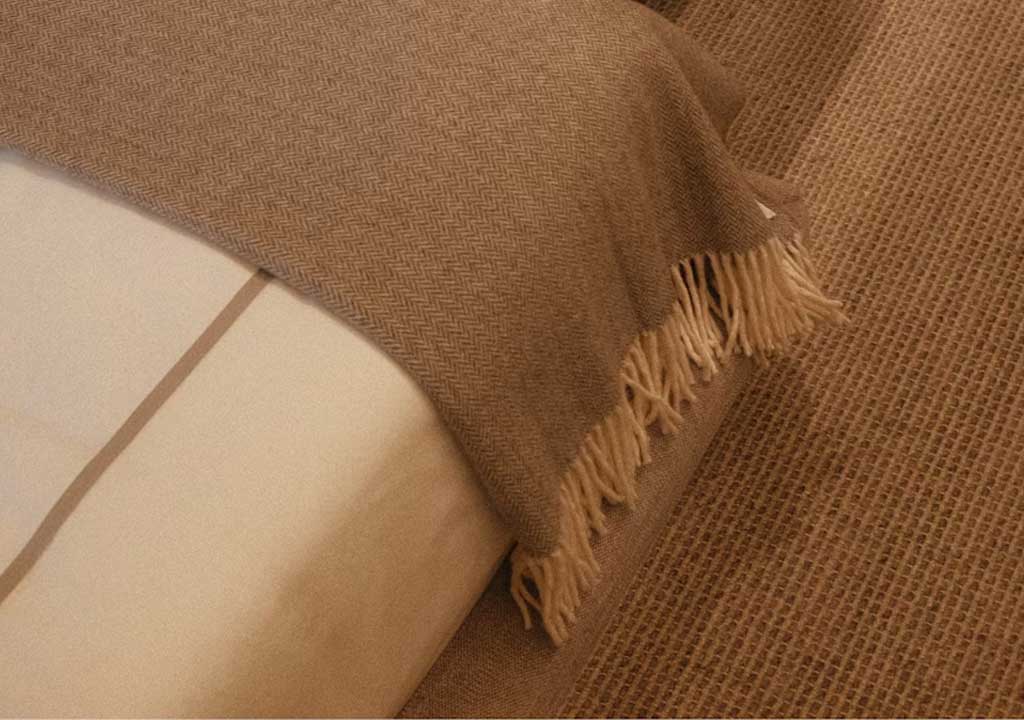
Geometric motifs with a tactile cadence. Geometric patterns-chevrons, diamonds, tessellations, and zigzags-satisfy a modern appetite for structure. When woven in wool, these motifs offer a tactile rhythm that feels both architectural and organic. Pattern scale varies by room function: larger motifs for a statement chaise or bed throw, smaller, more intricate repetitions for cushions and accessories in a reading nook.
Jacquard and fair-isle-inspired complexity. Complex patterns created through jacquard weaving or fair isle-like motifs deliver depth without loud color. The interplay of light and shade on a wool surface creates dimension, making a throw appear almost sculptural. If you're layering fabrics, a jacquard throw can serve as a focal point while remaining versatile enough to mix with solids and textures.
Nature-reminiscent motifs that feel organic. Patterns inspired by pine needles, leaves, branches, or waves echo the outdoors and pair well with earthy interiors. These motifs are often rendered in a restrained palette to preserve a refined, luxe feel. Subtlety is key-nature-inspired patterns should read as texture first, pattern second, so they don't overwhelm a room.
Textured weaves that crest with visual depth. Beyond printed or jacquard patterns, the texture itself can carry the pattern. Basketweave, ribbed textures, or intarsia-style surface details create shadows and tactile interest. When used with a natural color story, these textures become the pattern, and you gain warmth, softness, and a sense of artisanal craft in one piece.
Pattern scale and room dynamics
Pattern scale matters. In large, open living spaces, larger plaids or bold geometrics can anchor the room without feeling loud. In smaller rooms or near high-contrast materials, medium-scale patterns create a balanced focal point. Consider the size of the furniture the throw will adorn; scale the pattern accordingly so it complements rather than competes with other textiles such as cushions, curtains, or upholstery.
Color storytelling through pattern
Patterns become more versatile when colors are grounded in nature. Earthy neutrals-creamy whites, soft beiges, stone grays, and warm browns-serve as a neutral stage for bolder accent hues like forest green, slate, or deep navy. A plaid throw with two neutrals and a single accent color can harmonize with almost any room palette, while a monochrome geometric with a subtle tonal shift can feel especially modern in a minimalist setting.
Texture trends: from tactile to luxurious
Texture is the heartbeat of rustic luxe. The right texture invites touch, adds warmth, and signals quality in a way color alone cannot. The current texture trends in wool throws emphasize indulgence without sacrificing practicality:
Bouclé and nubby surfaces. Bouclé yarns-characterized by looped or curly textures-offer visual interest and a cushioned feel. A bouclé throw brings depth to a neutral sofa and hides minor wear from daily use. The artisanal vibe pairs well with dark woods, woven leather, and mid-century silhouettes, creating a luxe yet lived-in atmosphere.
Nubby and hand-spun looks. Subtle faults or irregularities in texture are celebrated in rustic luxe. Nubby surfaces-created by thick, uneven yarns or deliberate mis-weaves-add character and warmth. These textures feel authentic and handmade, aligning with slow-fashion sensibilities and a preference for visible craftsmanship.
Cable-knit and ribbed textures for structure. Cable knits bring a classic, cozy sensibility. When translated to throws with wool, they offer a sculptural silhouette and a comforting weight. Cable patterns can be open or compact, but the effect remains the same: a tactile, layered impression that works particularly well in bedrooms and lounge areas where lounging is favored.
Felted and brushed finishes for depth and softness. Felting adds density and a tactile hush to the surface. Brushed or raised surfaces create a soft, plush handiness that feels like a luxury tactile upgrade. These finishes are ideal for colder climates or rooms designed for slow evenings by the fire, where texture and warmth are the key experiences.
Fringe, tassels, and surface embellishments as punctuation. A fringe or tassel accents can transform a simple wool throw into a statement piece-a sculptural nod to artisanal craft. When used sparingly, these details reinforce the rustic luxe ethos and provide a casual, welcoming vibe. Avoid over-embellishment in modern spaces; let the texture and weave do most of the talking.
Double-faced and reversible textures for versatility. Double-faced throws provide two looks in one piece, increasing styling options for different rooms or seasons. The wool weight and weave should be balanced so both sides drape beautifully and wear evenly with use.
Texture layering for a cozy room
Texture is a storytelling tool. In a living room, mix a boucle throw with a smooth knitted blanket or a wool throw with a silk or linen blend in the surrounding cushions. The contrast of textures-soft vs. crisp, matte vs. slight sheen-adds depth and prevents a monochrome palette from feeling flat. In bedrooms, a textured wool throw at the foot of the bed can ground the bedscape and invite touch, while a smoother counterpart in the quilt or duvet cover keeps the bed looking composed. The goal is a curated tactile rhythm across surfaces that rewards touch and sight alike.
Color trends that anchor rustic luxe
Color plays a crucial role in how pattern and texture are perceived. The current palette leans into natural, earthy tones with careful pops of depth. Here are the shades shaping wool throws today:
Undyed and natural wool tones. The beauty of wool often shines in its raw color-creamy ivory, warm oatmeal, stone gray, and soft latte. These colors celebrate the fiber's natural variation and pair seamlessly with wooded furniture, stone surfaces, and linen textiles.
Earthy neutrals with depth. Soft beiges and browns-greige, camel, terracotta-offer warmth without overpowering other design elements. They're forgiving in high-traffic spaces and age gracefully with use, acquiring a patina that enhances rustic luxe over time.
Muted greens and olive tones. Sage, olive, and moss add a sense of the outdoors inside. Green casts pair well with warm browns and warm whites, bridging the gap between rustic and modern interiors. Use green throws to anchor corners, layering with natural wood accents and greenery for a cohesive look.
Moody blues and charcoals for drama. Navy, slate, and charcoal provide a modern backbone for darker rooms or coastal interiors seeking a refined anchor. Paired with lighter neutrals or wood tones, these colors create a sophisticated contrast that reads as both rugged and refined.
Jewel-tone accents in moderation. When used as accent throws or edge bands, emerald, sapphire, or garnet can punctuate a neutral room with a luxe note. Keep jewel tones restrained to avoid overpowering the space; let the overall palette remain grounded for longevity.
Yarn, construction, and what to look for when buying
The physical construction of a wool throw influences its durability, feel, and performance. Here's what to consider as you shop for a rustic luxe piece:
Wool species and blends. Merino wool offers a soft hand and fine texture, ideal for light-to-medium throws that drape gracefully. Lambswool is slightly loftier and cozy, while Shetland or Scottish tweed blends bring more character and resilience. Blends with alpaca or cashmere deliver extra warmth and softness but may require more delicate care. A well-balanced blend can offer the best of both worlds: warmth, softness, and durability.
Weave type and weight. Loosely woven or boucle-rich throws feel lighter and more flexible; tightly woven or cable-knit patterns offer a denser, warmer drape. Weight is often described as a blanket's approximate warmth rather than a precise unit; consider the room's climate and intended use. A medium-weight wool throw (often described as medium to heavy in consumer terms) is versatile for year-round use-from autumn evenings to cooler summer breezes indoors.
Weave finish and surface feel. A muted sheen on the surface can suggest a more refined, luxe look, while a matte surface emphasizes rustic simplicity. If sustainability and ease of care are priorities, look for finishes that resist piling and wear well with daily use.
Craft method: hand-loomed vs machine-woven. Hand-loomed throws convey artisan value and a bespoke feel; they may feature subtle irregularities and a unique character that elevates a room's narrative. Machine-woven throws offer consistency and broad availability, often at a friendlier price point. Consider your décor goals and budget when choosing between the two-the right pick can still feel intentionally crafted, even if machine-made.
Care considerations. Wool throws generally respond well to gentle care. Many can be spot-cleaned or hand-washed with a wool-safe detergent; some are dry-clean only. Always check care labels. When possible, air out throws regularly to maintain fluff and remove odors. For deeply textured or boucle fabrics, a gentle hand wash and shaping while damp helps preserve the weave. A properly cared-for wool throw can maintain its texture and color for years, especially when stored away from direct sunlight and moisture.
How to style rustic luxe wool throws in different spaces
A well-chosen wool throw can transform a room. Here are practical styling ideas to maximize their impact while maintaining the rustic luxe ethos:
Living rooms. Drape a large-scale plaid or geometric throw over the sofa to anchor the seating area. Choose complementary cushions in similar tones or textures to create cohesion. A bouclé or nubby throw layered with a smooth cashmere or cotton blanket adds dimension without competing with other textiles. In neutrally decorated spaces, a throw with a hint of olive or deep navy can create a grounding focal point.
Bedrooms. Place a throw at the foot of the bed to pull the bedscape together. For a luxurious look, select a double-faced or reversible throw so you can change the mood with ease. Pair with a textured duvet cover and a pair of knit pillows to build a tactile, relaxing sleep space. If the room leans toward coastal or airy modern, a muted blue or gray throw can add depth without overpowering the lightness of the room.
Reading nooks and dens. The intimate scale of throws is perfect for small rooms. Choose a smaller, soft weave in a warm neutral with a hint of color-sage green or coppery brown-that invites curling up with a book. Add a nearby ottoman or chair in wood or leather to emphasize the rustic vibe and create a cozy corner that feels curated and comfortable.
Entryways and lounges. A robust wool throw can be a welcoming accent near seating areas by the entry. Consider placing it over a bench or compact loveseat, where the texture and color greet guests with warmth and style. Fringe or tassel details can add a playful, artisanal signature without feeling fussy in high-traffic zones.
Seasonal styling and transitional wardrobes for wool throws
Rustic luxe thrives on the ability to transition across seasons. Here's how to adapt your wool throws throughout the year:
Fall and winter. Embrace depth: charcoal, navy, olive, and warm browns. Layer multiple textures and scale patterns-think a large plaid under a smaller geometric-to create a warm, inviting sense of shelter. A heavier weight throw with a dense weave feels particularly luxe in cooler months.
Spring and late summer. Lighten the mood with softer neutrals and subtle patterns. A lighter weight, more open weave in oatmeal or stone can feel fresh while still offering comfort. Consider a reversible throw so you can switch between a lighter exterior and a slightly warmer interior depending on the weather.
Summer evenings. Even in warm climates, wool throws can be breathable and comfortable when chosen with appropriate weight and weave. Look for looser weaves in natural tones to keep the room feeling airy and relaxed, while still offering the tactile pleasure of wool after sunset.
Sustainability and ethics in rustic luxe wool
Conscious consumers increasingly expect textiles to reflect responsible practices. Here's how rustic luxe wool throws align with ethical and sustainable principles:
Natural, renewable fiber. Wool is a renewable resource when sourced from responsible farms that practice animal welfare and land stewardship. Look for certifications or transparency about farm practices and wool origin.
Low-impact finishing. Ethical producers often prioritize low-toxicity dyes and finishes, minimizing chemical use in the production process. This preserves colorfastness and reduces environmental impact.
Durability and longevity. The rustic luxe mindset values pieces that last. A well-made wool throw can be repaired or repurposed, reducing waste. When cared for properly, wool throws resist pilling and wear, improving their longevity and reducing the need for frequent replacement.
Sales tips: investing in a wool throw that lasts
Buying a wool throw is an investment in comfort and style. Here are practical tips to ensure you choose a piece that will endure and stay relevant:
Prioritize hand feel and drape. Hold the throw and imagine how it will move on your furniture. A luxurious throw should feel soft against the skin, with an even drape that settles nicely over the furniture without stiff edges. If possible, test the throw in person to assess weight, texture, and warmth.
Evaluate pattern and scale in the room. Consider the room's size and other textiles. Large-scale patterns work well in generous spaces, while smaller rooms benefit from restrained patterns or solid colors with textured surfaces to avoid visual clutter.
Check the edge finishing and construction. A clean edge, double-stitched hems, and secure fringe details indicate durability. If the throw has fringes, ensure they are well-secured and finished to minimize shedding or unraveling with use.
Consider care requirements upfront. If you prefer low-maintenance textiles, ensure the throw is easy to clean and resilient to washing or dry cleaning. Some wool throws are designed specifically for easy care, offering a balance of luxury and practicality.
Inspiration roundup: how designers render rustic luxe today
Contemporary designers blend old-world craft with modern restraint to produce throws that feel timeless yet current. Here are some frequent approaches you'll encounter in the wild:
Artisanal reverence with quiet color. Designers celebrate the handmade quality-visible weaving irregularities, hand-spun textures, and a palette drawn from nature. The result is a throw that looks as if it could have been spun in a hillside cottage, yet fits seamlessly into a modern living room.
Layered textiles with a soft edge. A collection of throws-one patterned, one solid, one textured-creates a layered look that reads as curated rather than cluttered. The key is tonal variation and careful placement so the layering enhances rather than competes with the surrounding decor.
Minimalist drama. In smaller, more open spaces, designers use a single, striking pattern or a exceptional texture in a restrained color way to achieve drama without too much visual weight. The focus shifts to the quality of wool, the mastery of the weave, and the subtle interplay of light on the surface.
Maintenance and care: keeping your wool throws vibrant
Proper care extends the life and beauty of wool throws. A few practical guidelines help preserve color, texture, and softness over time:
Daily care. Air throws after use to refresh. Regular light shaking or gentle brushing helps maintain loft and remove surface dust. Avoid rolling the throw tightly, which can crush the fibers.
Cleaning thoughts. Most wool throws respond well to gentle hand washing with a wool-safe detergent in lukewarm water. Do not wring; instead, press out excess water and lay flat to dry away from direct sunlight. If the throw is labeled dry-clean only, follow that instruction to protect the fibers and finish.
Storage tips. Store throws in breathable cotton bags or wrapped in fabric to protect from moths and sunlight. Avoid plastic bags, which can trap moisture and cause mildew. A cool, dry closet is ideal for seasonal rotation.
Conclusion: making rustic luxe wool throws your design anchor
Wool throws are more than fabrics; they are vehicles for mood, comfort, and craft. The rustic luxe trend in pattern and texture embraces the beauty of natural fibers, celebrating both tradition and contemporary taste. By selecting throws with thoughtful pattern scales, tactile textures, and grounded color palettes, you can create spaces that feel both timeless and current. The right wool throw does not merely dress a sofa or a bed-it transforms a room into a sensory experience: warm, inviting, and quietly luxurious. Whether you're redecorating a cabin-inspired living room, a modern townhouse, or a cozy beach house, the fusion of pattern and texture in wool throws offers endless opportunities for personalization and storytelling. Embrace the craft, savor the warmth, and let rustic luxe guide your next textile purchase toward a richer, more comfortable home life.
LIKED THIS ARTICLE? SHARE IT: