






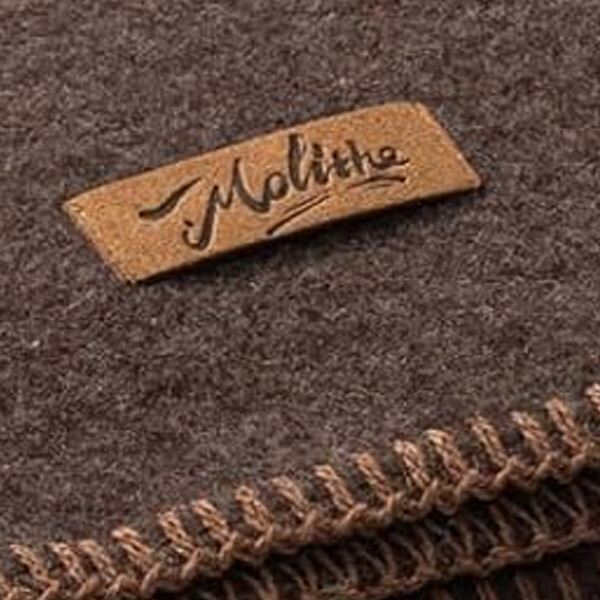










Spot Cleaning Wool Blankets: Quick Stain Solutions That Protect Fibers

Spot Cleaning Wool Blankets: Quick Stain Solutions That Protect Fibers
Wool blankets bring warmth, texture, and a touch of timeless coziness to any home. They're rugged yet delicate at the same time: the very fibers that make wool so insulating can also be sensitive to harsh cleaners, hot water, and aggressive rubbing. When a spill happens, the instinct to rub and scrub is strong-but with wool, restraint is a virtue. Spot cleaning, done correctly, lifts the stain while preserving the natural crimp, loft, and resilience of the fibers. In this guide, you'll find quick, practical stain solutions that protect fibers, plus tips for testing, rinsing, and drying so your wool blanket looks fresh for years to come.
Why Wool Demands Gentle Spot Cleaning
Wool is a protein fiber composed of keratin. Its scales can lift and tangle when moisture and agitation are introduced, especially with heat. Rubbing a stain can cause the fibers to felt together, creating pills and a stiff texture. Hot water can cause fulled wool to shrink and lose its shape. Therefore, the goal of spot cleaning is to lift the stain with minimal mechanical action, using cool or lukewarm water and a gentle touch.
Spot cleaning is not a substitute for a full professional wash, but it is an effective immediate response to everyday spills. The key steps are to act quickly, test inconspicuously, choose a mild, wool-safe cleaner, and rinse thoroughly with cold water. When in doubt-especially with antique, handwoven, or heavily textured blankets-consider professional cleaning to preserve color, texture, and structural integrity.
Tools and Materials You'll Need
Gather these supplies so you're ready to handle most common stains without a full wash:
• Mild wool-safe detergent or a gentle, pH-balanced detergent designed for delicate fabrics
• Clean white towels or cloths (to avoid transferring dye and to provide a true color reference)
• Clean spray bottle filled with cold water or a shallow basin for rinsing
• White vinegar (common household variety) for odor control and stain boosting (dilute 1:3 with water)
• Baking soda for odor absorption and mild cleansing (paste or sprinkling, as needed)
• A soft-bristled brush or old toothbrush (optional, for gentle lifting on textured surfaces)
• A small amount of isopropyl alcohol (optional for ink, test first on a hidden area)
Note: avoid chlorine bleach, hydrogen peroxide, or hot water on wool, as these can damage fibers and alter colors. Before applying any cleaner, always perform a hidden-area test by dampening a small corner and waiting 10-15 minutes to observe color fastness and fiber reaction.
Prepping Your Blanket for Spot Cleaning
Preparation sets the stage for successful stain removal. Here's a concise, repeatable routine you can use every time a spill occurs:
1) Act quickly but calmly: the sooner you address a stain, the better your chances of lifting it completely.
2) Gently blot the spill with a clean white cloth to remove excess liquid. Avoid rubbing; blotting prevents pushing the stain deeper into the fibers.
3) If possible, turn the blanket so the stained area is accessible, and place a clean towel underneath to catch any runoff when you rinse.
4) Test any cleaner on a hidden area to ensure there is no color bleed or texture change.
5) Work in a cool room with good light so you can monitor progress and avoid overheating the fibers.
Stain-by-Stain Quick Fixes
Different stains respond best to different approaches. Below are quick, fiber-friendly methods for common categories of stains you'll encounter on wool blankets. Each method emphasizes blotting, gentle lifting, and thorough but cool rinsing.
Protein Stains (sweat, blood, dairy)
Protein-based stains can set as they dry, so they deserve prompt attention. Use a mild, wool-safe detergent diluted in cold water. The goal is to break down the proteins without denaturing the fibers.
Steps:
• Blot the area with a clean, dry cloth to remove as much moisture as possible without rubbing.
• Mix a tiny amount of wool-safe detergent with cold water in a clean bowl or spray bottle.
• Apply a light mist or a small amount of solution to the stain. Gently blot with a clean cloth, working from the outside edges toward the center to prevent spreading.
• If using a spray bottle, mist lightly; if using a bowl, dab with a soft cloth and press onto the stain rather than rubbing.
• Rinse with cold water by patting with a clean damp cloth. Repeat as needed until the area looks cleaner and the cloth shows little to no color transfer.
• Press a dry towel over the area to lift moisture, then lay flat to air-dry away from direct heat or sunlight.
Tip: for stubborn protein stains, a very dilute enzyme-based laundry detergent can be effective, but test first. Enzymes can affect wool if the concentration is too high or if the fiber is delicate. If the stain remains after several gentle attempts, consider professional cleaning rather than aggressive scrubbing.
Tannin Stains (coffee, tea, red wine, fruit juice)
Tannin-based stains can sometimes tint wool. The approach is to dilute and lift without saturating or oversoaking the fabric.
Steps:
• Blot to remove liquid. Avoid rubbing.
• Mix a small amount of wool-safe detergent with cold water. Lightly dab the solution onto the stain, working from the outside in.
• Rinse with cold water by blotting with a clean, damp cloth until no soapy residue remains. Avoid over-wetting; wool holds moisture longer and can feel damp for a while.
• If the stain persists, prepare a dilute solution of white vinegar (1 part vinegar to 3 parts water) and blot gently. Rinse again with cold water.
• Lay the blanket flat on a clean towel and allow to air-dry away from heat sources.
Note: red wine can be particularly challenging. The salt trick (sprinkling a small amount of salt to draw moisture) is sometimes helpful as a flash evaporator for fresh spills. If you see dye transfer or persistent color after trying vinegar, move to a professional cleaning for color-fastness concerns.
Oil-Based Stains (grease, butter, lotion, makeup)
Oil or fat stains require a detergent that can emulsify fats without harming wool fibers. A small amount of dish soap (clear, mild) can work if used sparingly, or a dedicated wool-safe degreasing product.
Steps:
• Blot the excess oil with a clean cloth. Do not rub.
• Dampen a cloth with a tiny amount of cool water and a drop of mild dish soap or wool-safe detergent. Lightly dab the stain, allowing the soap to emulsify the oil without saturating the blanket.
• Rinse by blotting with a clean, damp cloth; repeat as needed until the greasy residue is gone.
• Blot dry with a towel and lay flat to dry away from heat.
Important: avoid using heavy detergents or excessive water, which can cause the fibers to feel stiff or create watermarks. Always use the least amount of liquid necessary to lift the stain.
Ink and Dye Transfers
Ink can be tricky on wool because it may dye the fibers. Use a gentle approach and test first. In many cases, isopropyl alcohol (rubbing alcohol) can lift ink, but it can also affect color if not tested.
Steps:
• Test a small, hidden area with a small amount of isopropyl alcohol on a cotton ball. If there is no color change, proceed.
• Dampen a cloth with a small amount of alcohol and dab the stained area gently. Do not rub vigorously. Work from the outside edges toward the center.
• Rinse with cold water by blotting with a clean damp cloth until the solvent residue is gone.
• If ink remains, stop and consider a professional cleaning, especially for antique or highly textured blankets.
Reminders: alcohol can affect some dyes; never apply neat solvent to a large area. Always test first and use the minimum amount necessary.
Pet Stains
Pet accidents pose both stain and odor challenges. The approach is similar to protein stains, with an emphasis on quick action and odor control.
Steps:
• Blot the area to remove as much moisture as possible.
• Treat with a diluted wool-safe detergent solution or a small amount of white vinegar solution (1:3). Gently blot, avoiding heavy rubbing.
• Rinse with cold water. If possible, reserve a clean, dry towel to press out moisture as you blot.
• For odor control, sprinkle a light layer of baking soda after blotting and leave for 15-30 minutes before brushing or vacuuming away. Then rinse and dry as above.
Rinsing and Drying: Returning Your Wool Blanket to Its Loft
Rinsing and drying are as important as cleansing. Wool fibers hold onto moisture, so thorough but gentle rinsing is essential to prevent residue or stiffness that can dull the blanket's loft.
Rinsing steps:
• After any stain treatment, rinse with cold water by blotting with a clean cloth. Repeat several times to remove all soap residue; leftover detergent can leave a dull film.
• If you have a spray bottle, you can mist the area lightly with cold water and blot with a dry towel to lift moisture. Avoid soaking the entire blanket unless you're prepared to dry it flat later.
• For textured or woven blankets, you may want to gently press along the nap with a clean finger or a soft brush to help re-distribute fibers after cleaning, but do not rub aggressively.
Drying tips:• Lay the blanket flat on a clean, dry towel or drying rack in a well-ventilated area away from direct sunlight or heat sources. If possible, reshape the blanket while it is damp to maintain size and drape.
• If the blanket is large, you can roll it in a dry towel to wring out moisture very gently, then lay flat to finish drying. Never wring wool or twist it tightly, as this can distort the fibers and cause felting.
• If you need faster drying, you can place the blanket in a cool room with good air movement or near a gentle breeze, but avoid heat that could shrink or damage fibers.
When to Call a Pro
Spot cleaning can handle many day-to-day stains, but some situations call for professional care:
• The blanket is antique, handwoven, or has visible dyes that could bleed or fade with home treatments.
• The stain is deeply set, large, or has soaked through multiple layers of fibers, and you're unsure if home cleaning will preserve color and texture.
• You're dealing with persistent odors, pet-related stains, or a spill that occurred long ago and has since dried into the fibers.
In these cases, a professional dry cleaner or textile specialist familiar with wool can assess the fiber content, weaving, and colorfastness and choose products and processes that minimize risk.
Care Tips to Prevent Stains and Protect Fibers Long-Term
Prevention is the best stain management. Incorporate these habits to keep wool blankets pristine and plush:
• Blot spills immediately rather than rubbing, and try to minimize moisture on the surface. Acting quickly is the simplest defense against stubborn stains.
• Use a washable cover or throw over the blanket in high-traffic rooms to shield the wool from spills and oils, then launder the cover as needed.
• Groom the wool gently with a soft brush every so often to lift the nap and remove surface dust, which can attract oils from skin and hands over time.
• Store wool blankets properly-folded in a cool, dry place; avoid plastic bags that trap moisture; consider breathable cotton storage bags to reduce moth exposure.
• If you notice a color bleed during cleaning, or if you're treating a darker blanket, consider a color-safe wool detergent and test frequently on inconspicuous areas.
Common Mistakes to Avoid
Keeping a few pitfalls in mind will save you from accidental damage:
• Avoid hot water. Wool fibers can felt and shrink when exposed to heat, especially after a spot has softened or lifted. Stick to cold or cool rinses.
• Don't rub aggressively. Rubbing can felt the fibers, stretch the weave, or create pills. Gentle blotting is often enough to lift most stains.
• Don't use chlorine bleach or strong solvents on wool. They can weaken fibers, cause color damage, and alter the texture of the blanket.
• Don't oversaturate the blanket. Wool holds moisture longer than synthetic fibers, and excess water can lead to warping or deformation when drying.
• Don't ignore odor buildup. Even after a stain is removed, lingering odors can persist. A light baking soda treatment as described can help refresh the fibers.
Frequently Asked Questions
Here are quick answers to common concerns about spot cleaning wool blankets:
Q: Can I machine wash a wool blanket? A: Some wool blankets are machine-washable, but many require hand washing or dry cleaning. Always check the care label. If you choose to machine wash, use cold water and a wool-safe detergent on a gentle cycle, and avoid high agitation.
Q: Will spot cleaning ruin the texture? A: When done carefully with cool water and minimal agitation, spot cleaning should preserve texture. Avoid rubbing and use blotting motions to protect the nap.
Q: How do I remove a persistent odor from wool? A: After stain removal, sprinkle baking soda over the area, let it sit for 15-30 minutes, then vacuum gently. You can also rinse with a mild vinegar solution and air-dry.
Q: How can I tell if a stain is gone? A: If your white cloth remains clean after blotting, and there's no scent or visible residue, the stain is likely lifted. If color transfer continues onto the cloth, repeat the gentle cleaning steps or consider professional help.
Final Thoughts: Spot Cleaning as a Care Habit
Spot cleaning wool blankets isn't just about removing stains; it's about preserving the fibers and the blanket's character. By acting quickly, choosing gentle, wool-safe cleaners, and following up with thorough but cool rinsing and air-drying, you can keep your wool blanket looking fresh and feeling soft for years to come. The steps above aren't a rigid protocol; they're a toolkit you can adapt depending on the stain type, the blanket's weave, and its color. With practice, you'll know exactly how to approach most spills with confidence, protecting both the beauty and the longevity of your favorite wool blanket.
Bonus: Quick Routine You Can Follow Anytime
Keep this compact routine handy for spur-of-the-moment stain management:
1) Blot the spill gently with a clean cloth to remove excess liquid.
2) Apply a tiny amount of wool-safe detergent diluted in cold water to the stain and blot from the outside in.
3) Rinse with cold water by blotting with a clean cloth until residue is gone.
4) If needed, treat with a diluted vinegar solution and rinse again.
5) Lay flat to dry and reshape as necessary.
6) Brush lightly once dry to restore the nap.
Remember, the goal is to lift the stain without saturating, shrinking, or felting the fibers. With patience and the right approach, spot cleaning wool blankets becomes a simple, repeatable habit that protects the fibers and preserves the blanket's natural beauty.
LIKED THIS ARTICLE? SHARE IT: